Learn to recognize the signs of a urinary tract infection in cats, understand when symptoms need emergency care, and discover what steps to take at home and with your vet.

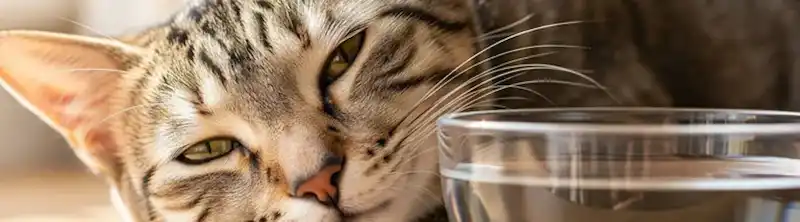
As a cat parent, you know your pet's habits better than anyone. When something feels off, a few too many trips to the litter box, a strange cry, or blood where there shouldn't be, can be genuinely alarming. Urinary problems are among the most common reasons cats visit the vet, and knowing exactly what to look for and how to respond can make a meaningful difference in your cat's well being.
Cats are famously private about pain, which means urinary discomfort often shows up as subtle behavioral changes before it becomes obvious. The following signs all warrant attention:
Early warning signs (book a vet appointment promptly):
Signs that need same-day veterinary care:
Signs that are a medical emergency - go immediately:
This last scenario, a urethral obstruction, is a life-threatening condition. Without emergency treatment, a blocked cat can deteriorate swiftly. If you are unsure whether your cat is producing urine or not, treat it as an emergency.
Before knowing what to do, it helps to understand one key fact: Most cats with urinary signs do not have a bacterial infection. Younger adult cats are far more likely to be suffering from feline idiopathic cystitis (FIC), a stress-triggered inflammation of the bladder with no bacteria involved, than from a true UTI. True bacterial urinary tract infections are most commonly seen in older cats, especially senior females, and in cats already managing chronic illnesses like kidney disease or diabetes. This distinction matters because the treatment is completely different.
Urinary symptoms can escalate quickly, especially in male cats. Even if signs seem mild or intermittent, call your vet the same day. Episodes that appear to resolve on their own often recur and can have different underlying causes each time.
Your vet will ask specific questions. Before you go in, take note of:
These details meaningfully shape the diagnostic plan.
Modern clinical guidelines from the International Society for Companion Animal Infectious Diseases (ISCAID) are very clear: antibiotics should only be prescribed when urinary signs are accompanied by a confirmed positive urine culture. Responsible vets follow this protocol to protect your cat and avoid contributing to antibiotic resistance.
Testing will typically include:
Your vet may also recommend imaging (X-ray or ultrasound) to check for bladder stones, masses, or structural abnormalities, particularly if signs are recurrent or severe.
If a bacterial infection is confirmed, complete the full antibiotic course as directed, even if your cat appears better before it ends. If the diagnosis is stress-related cystitis, your vet will focus on environmental and dietary management rather than medication, and your role at home becomes central to recovery.
Regardless of the underlying cause, these evidence-based strategies support urinary health and can reduce the frequency of flare-ups:
Some cats need closer monitoring because their risk of true infection is significantly elevated:
If your cat falls into one of these categories, earlier intervention is recommended. Your vet may also recommend periodic urine monitoring even when your cat seems well, since some of these cats can have silent bacterial growth with no outward signs.
Trust your instincts as a cat owner. You notice things no one else will. If something about your cat's litter box habits seems off, take it seriously. Partner with your veterinary team, give them the observations you have gathered, and let diagnostics lead the way. Never give medications intended for humans to your pet.
At PerkyPet, our commitment is to give you the knowledge your cat's health deserves, grounded in the same evidence-based guidelines that guide veterinary specialists worldwide.