Learn how to spot the early signs of dehydration in dogs and cats, when to seek emergency vet care, and how to prevent dehydration with smart monitoring tools.
Dehydration in pets is more common than many owners realise - especially in warm climates, during illness, or when appetite drops. Dehydration can become particularly dangerous in very young puppies and kittens and small breed dogs. Because our dogs and cats cannot tell us when they feel thirsty or unwell, it is up to us to recognise the early warning signs.
Knowing how to spot dehydration early can prevent serious complications and even save your pet's life.
Dehydration happens when your pet loses more fluids than they take in. Water is essential for circulation, digestion, temperature regulation, joint lubrication and organ function. Even mild dehydration can affect energy levels and wellbeing. Severe dehydration can quickly become dangerous.
Pets can become dehydrated due to:
Here are the most common symptoms to watch for:
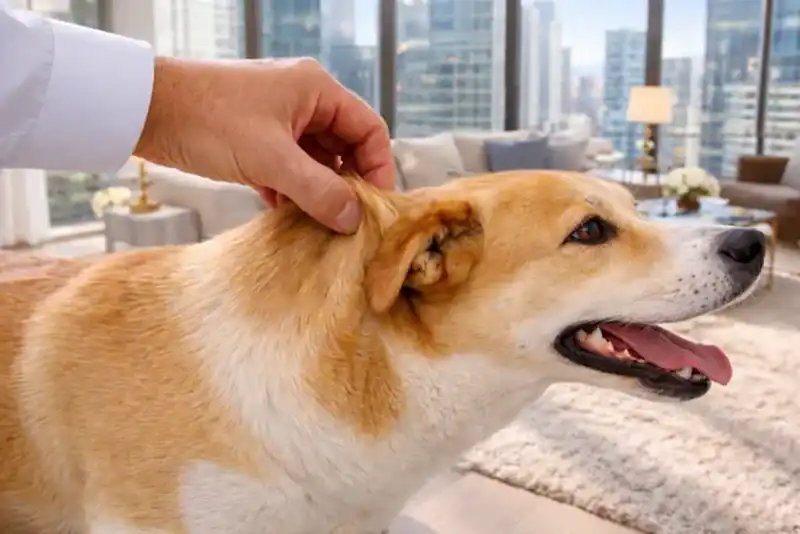
Gently lift the skin over your pet's shoulders and release it. In a well-hydrated pet, the skin snaps back immediately. If it stays tented or returns slowly, dehydration may be present.
This test is more reliable in dogs than cats and can be less accurate in senior pets or very thin animals.
It is a good idea to do this test when your pet is well, to get a feel of what their skin tent normally looks like. This can help you assess hydration status when they are feeling unwell because you have their normal skin tent to compare to.
Healthy gums should feel moist and slippery. If they feel tacky, dry or sticky, this may indicate dehydration.
You can also press gently on the gum until it turns pale, then release. The colour should return within 1-2 seconds. Delayed refill can signal dehydration or circulation issues.
In moderate to severe dehydration, the eyes may appear dull or slightly sunken. If you notice that your pet has sunken eyes, this is extremely concerning and they should be taken to an emergency vet immediately.
A dehydrated pet may seem tired, weak or less responsive. They may sleep more than usual or show less interest in play and interaction.
If you notice smaller urine clumps in the litter tray or fewer toilet breaks in your dog, this can be a sign your pet is not taking in enough fluids. This is sometimes difficult to monitor. If your pet is already showing other symptoms of dehydration, don't wait to monitor hydration, rather seek veterinary attention immediately.
Cats with kidney disease will urinate more than usual, but will dehydrate quickly because their kidneys are not able to retain fluids in the body.
In dogs, excessive panting without obvious exertion may indicate overheating or fluid imbalance.
Mild dehydration can sometimes be corrected by encouraging water intake. However, seek veterinary attention urgently if you notice:
Young puppies, kittens, and senior pets are particularly vulnerable.
As a general guide, dogs need approximately 50-60 ml of water per kilogram of body weight per day. Cats require slightly less but still need consistent intake. This water intake may be less if your pet is eating wet food as part of their diet.
However, fluid needs increase with heat, illness, pregnancy, and exercise.
This is where digital monitoring can make a real difference.
One of the challenges with dehydration is that subtle changes often go unnoticed until the condition worsens.
PerkyPet uses AI-based pet care support to help owners track key health indicators - including appetite, water intake, energy levels and bathroom habits. By logging daily observations, the app can identify trends and flag early warning signs that may otherwise be missed.
For example:
Instead of relying on memory or guesswork, you have structured data about your pet's normal patterns. This makes it easier to decide whether monitoring at home is appropriate or whether veterinary attention is needed.
AI does not replace your veterinarian - but it supports you in making informed decisions earlier. PerkyPet helps you collect more information about your pet's habits which is priceless information for your veterinarian and helps them to make a diagnosis faster.
Practical steps to reduce risk include:
Cats, in particular, are prone to low water intake. Monitoring trends is often more important than relying on a single observation.
Dehydration can escalate quickly, but early detection makes a significant difference. If something feels "not quite right," trust your instincts.
By combining attentive pet ownership with smart tools like the PerkyPet AI-powered pet care app, you can stay one step ahead and support your pet's health proactively.
If you are unsure whether your pet may be dehydrated, consult your veterinarian promptly. Early intervention is always better than waiting.