The gut microbiome shapes your pet's digestive health, immunity, and resilience. Learn 7 practical daily habits that help keep it stable and functioning well.

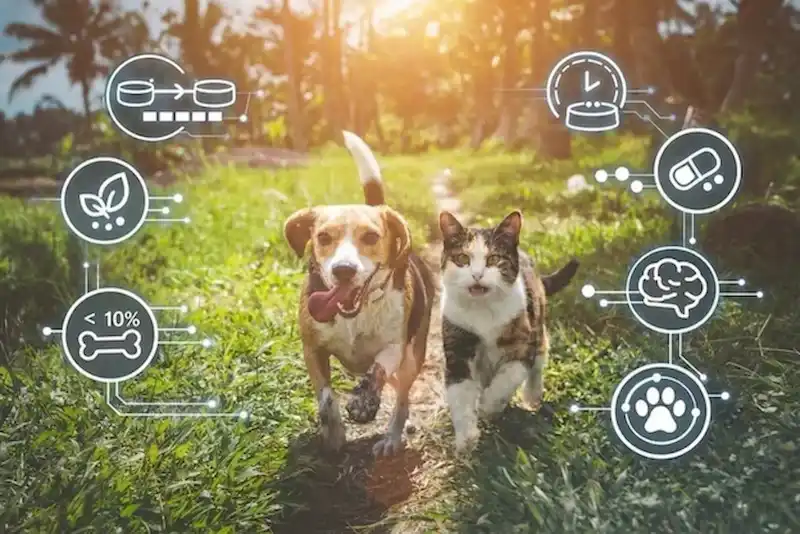
The word “microbiome” is everywhere in pet health marketing. It is often presented as a quick fix: add a powder, rotate a probiotic, and all will be well. But how can you as a pet parent navigate the myriad of products and promises on offer. Here we try and unpick science from marketing and give you 7 practical habits to help your pets microbiome.
The gut microbiome is the community of microorganisms living mainly in the intestines. In dogs and cats, this includes bacteria, archaea, fungi, viruses, and other microbes that interact continuously with the gut lining, the immune system, and the nutrients moving through the digestive tract. It is not a small or trivial system. The gastrointestinal tract contains trillions of microbial cells, and mammalian studies suggest hundreds to thousands of microbial types may be present within this ecosystem. In other words, the microbiome is less like a single feature and more like a densely populated biological community living alongside the host.
When people talk about “good bacteria”, that is usually a simplification. There is no single perfect microbiome for every dog or cat, and the goal is not to create an idealised bacterial profile. A healthier microbiome is better thought of as one that is relatively stable, functionally balanced, and able to cope with day to day change. That is why diversity is often discussed. A more diverse microbial community is often considered more resilient, meaning the gut may be better able to tolerate routine disruptions such as a diet change, a course of antibiotics, stress, boarding, or a period of digestive upset.
What makes this area especially interesting is that the microbiome is now being studied not only as a list of which organisms are present, but also as a functional system. Research in dogs and cats is increasingly looking at what these microbes actually do: how they help digest nutrients, produce metabolites such as postbiotics, influence the gut barrier, interact with bile acids, and affect immune signalling. This is one reason the field is moving quickly. At the same time, it is still an emerging area, particularly in cats, and many studies show association rather than clear proof of cause and effect.
For pet parents, the most useful practical point is simple: the microbiome responds to patterns. It is shaped over time by diet, treats, fibre intake, medication, stress, exercise, age, and routine. That helps explain why steady daily habits often matter more than dramatic product changes.
The reason the microbiome matters clinically is that it sits at the centre of many everyday gut functions. In dogs and cats, the gut microbiome contributes to digestion, metabolite production, gut barrier support, and local immune activity. When that microbial environment becomes disrupted, the effects are often seen first in practical day to day signs such as softer stools, more variable bowel movements, poorer tolerance of diet changes, mild intermittent digestive upset, or a slower return to normal after antibiotics or gastrointestinal illness.
The microbiome may also influence how resilient a pet is to ordinary life events. A relatively stable microbial community may help the gut cope better with stress, routine disruption, treats, boarding, travel, and other predictable challenges. There is also growing interest in links between the microbiome and wider health patterns, including immune function, skin disease, metabolic health, and behaviour. However, this is exactly where caution is needed. The research is promising, but it is still developing, and findings in one species cannot automatically be applied to the other. Dogs are generally better studied than cats, and many areas still need stronger evidence before firm clinical claims can be made.
So, in practical terms, the microbiome may be relevant to stool quality and regularity, tolerance of diet changes, recovery after antibiotics, mild digestive flare ups linked to stress or routine disruption, and some cases where gastrointestinal and skin signs seem to occur together. It is most useful as a concept of resilience, prevention, and recovery. It helps explain why consistency often supports better digestion, and why repeated disruption can make the gut less stable over time.
At the same time, the microbiome should not be used as a catch all explanation for every problem. It does not replace proper diagnosis of ongoing vomiting, diarrhoea, weight loss, reduced appetite, or blood in the stool. It is unlikely to resolve complex skin disease or chronic ear disease on its own. It does not “detox” the body in any meaningful medical sense, and it is unlikely to be permanently improved by constantly changing foods or supplements without a clear reason. One of the limitations of current microbiome research is that altered microbial patterns are often associated with disease, but that does not always mean they are the original cause.
A sensible takeaway for pet parents is this: the microbiome is an important part of gut health, but it works best as part of a broader prevention and clinical picture. Supporting it is usually less about chasing the latest supplement and more about getting the daily fundamentals right. That means looking at the things that shape the gut environment every day, such as food consistency, fibre, treats, feeding routine, stress, antibiotics, weight, and movement. The seven habits below focus on those practical foundations and on the small, steady choices that are most likely to help the microbiome stay stable over time.
Whenever we talk about diet it is important to stress that sudden diet changes are one of the most common triggers for diarrhoea. Even an excellent quality diet can cause problems if introduced too quickly. A gradual transition over 7 to 10 days gives the gut time to adapt and allows pet parents to spot intolerance early.
A practical transition approach:
For pets with a history of sensitivity, the transition can be slower. If diarrhoea appears during the change, it is often sensible to return to the last well tolerated ratio and speak with a vet before progressing.
Consistency is not about never changing diet. It is about making change a controlled process rather than an experiment.
Prebiotics are compounds that support beneficial gut microbes. They are not live bacteria. Instead, they act as a food source for certain microbes already living in the gut. In many cases, a good quality complete diet will already contain appropriate fibre sources and prebiotic ingredients.
When choosing a diet or supplement to support the microbiome, it is usually more useful to look closely at the ingredient list than to rely on “gut health” claims on the front of the packaging.
Ingredients that may help support the microbiome
Some fibres and prebiotic ingredients can provide useful fuel for beneficial gut bacteria. Common examples include:
Ingredients worth approaching more cautiously
Some ingredients may be less well tolerated, particularly in pets with sensitive digestion.
If a vet has advised additional fibre, or if a pet has mild stool inconsistency that appears to be diet related, careful fibre use can sometimes help. Examples commonly used in practice include small amounts of cooked pumpkin, squash, or carrot, and in some cases psyllium husk, although psyllium should only be used with veterinary guidance on dose and indication.
A few cautions are worth bearing in mind. Cats can respond unpredictably to added fibre, especially if they are constipated, overweight, or fussy with food. Pets with chronic gastrointestinal disease are not good candidates for trial and error supplementation at home. More fibre is not always better, and in some cases it can make signs worse if used inappropriately.
Where fibre is being added, it is best to change only one variable at a time and monitor stool quality for at least a week. Fibre can be useful, but making several changes at once often makes the response much harder to interpret.
Treats are a common, overlooked cause of digestive upset. Rich treats, high fat snacks, table scraps, and sudden changes in chews can trigger soft stool or diarrhoea, particularly in small dogs and cats.
A practical guideline used widely in pet nutrition is that treats should make up no more than 10% of daily calorie intake. This is not about being strict for the sake of it. It is about avoiding unnecessary digestive stress.
Useful strategies:
If a pet has intermittent loose stool, a simplified treat plan is often one of the quickest and most effective interventions.
The gut does not respond only to what a pet eats. It also responds to when food arrives. Gut microbes follow daily rhythms linked to feeding patterns, and in dogs, prolonged withholding of food has been shown to alter the small intestinal microbiota. More broadly, circadian medicine literature in companion animals suggests that feeding schedule is one of the factors that can influence metabolic and gastrointestinal stability.
For pet parents, the practical message is not that there is one perfect feeding frequency for every dog or cat. It is that erratic meal timing, long unplanned gaps without food, and constant changes in routine are probably unhelpful for digestive stability, especially in pets that already have a sensitive stomach. The evidence base in companion animals is still developing, and it is stronger for dogs than for cats, so this is best framed as a sensible prevention principle rather than a hard rule.
Useful habits include:
Antibiotics can be very important, and sometimes they are absolutely the right treatment. But they can also disturb the gut microbiome while a pet is taking them and for a period afterwards, because they affect normal gut bacteria as well as the target infection. That is one reason some pets develop looser stools, reduced appetite, or more variable digestion during or after a course. Veterinary reviews now recognise that probiotics may help in some cases, but the evidence is still developing and the effect appears to depend on the specific product and strains used, rather than probiotics being a blanket solution for every pet.
For pet parents it is not worth pushing for antibiotics as the default answer to every episode of diarrhoea or stomach upset. Mild digestive signs do not always need them, and the decision about whether they are appropriate is best left to your vet. From a microbiome point of view, avoiding unnecessary antibiotic use helps avoid unnecessary disruption.
If your pet is prescribed antibiotics, there are practical things you can do that may genuinely help. Give the medication exactly as directed. Keep meals simple and consistent while your pet is on the course. Avoid introducing new treats, chews, toppers, or supplements all at once, because that makes the gut work harder and makes it more difficult to tell what is helping or causing a problem. Keep an eye on stool quality, appetite, and energy so you can spot changes early and give your vet a clear update if needed.
It is also reasonable to ask your vet whether a veterinary probiotic is worth using during the antibiotic course or shortly afterwards. The current evidence suggests that some probiotic products may help reduce the degree of antibiotic related dysbiosis and support a healthier recovery of the gut microbiome in dogs, but this should be a targeted decision rather than an automatic add on. A 2025 canine study found that dogs given probiotics alongside cefovecin maintained better microbial diversity and showed a healthier recovery pattern than dogs that did not receive probiotics. That is encouraging, but it is still early evidence, and it does not mean every probiotic will do the same thing in every pet.
If diarrhoea starts while your pet is on antibiotics, do not stop the medication without speaking to your vet first. Instead, let them know what has changed. In some pets, mild antibiotic associated diarrhoea can be managed with supportive care and a review of diet or gut support. In others, the treatment plan may need to be reassessed.
The period after antibiotics matters too. The microbiome does not necessarily return to baseline overnight, so recovery is usually best supported by keeping things calm and consistent for a while afterwards. That means sticking to a familiar diet, avoiding unnecessary food changes, and being cautious about adding multiple gut products at once. For pet parents, the key point is not to “fix” the microbiome quickly, but to give it the best chance to stabilise again.
The gut and brain are closely connected through what is often called the gut brain axis. This is the two way communication system between the digestive tract, the nervous system, stress hormones, and the gut microbiome. In practical terms, this means emotional stress can have very real effects on digestion.
That is why some pets develop soft stool, diarrhoea, reduced appetite, or mild digestive upset during periods of stress such as fireworks, travel, boarding, house moves, the arrival of a new baby or pet, or even a sudden change in daily routine. In these situations, the problem is not “in their head”. Stress can alter gut motility, affect intestinal permeability, influence inflammation, and disrupt the balance of microbes in the gut. For some pets, especially those with an already sensitive digestive system, even short periods of stress can be enough to trigger a flare up.
Because of this, supporting gut health is not only about diet. It is also about reducing unnecessary stress and helping pets cope better with predictable challenges.
It is not realistic, or even desirable, to remove all stress from a pet’s life. The aim is to reduce the intensity, duration, and frequency of avoidable stress, and in doing so lower the risk of repeated stress related digestive flare ups. For some pets, that can make as much difference as changing what is in the bowl.
A healthy gut microbiome is shaped not only by food, but by the wider metabolic environment of the body. In dogs and cats, excess body fat is associated with inflammatory and metabolic changes, and obesity has also been linked with differences in the gut microbiome. The science is still developing, and it does not mean weight gain is simply a microbiome problem, but it does support a practical point: keeping body condition healthy is one of the everyday habits that may help support a more stable gut environment as well as overall health.
Practical steps:
For cats, movement can mean play sessions, food puzzles, and climbing opportunities. For dogs, daily walks plus sniffing time and gentle training can be as valuable as high intensity exercise.
If digestive inconsistency and weight gain seem to be appearing together, it is often more useful to simplify the basics first: portion control, fewer extras, and a steadier activity pattern. In many cases, that adds more value than reaching straight for another supplement. A useful target for most pets is an ideal body condition score rather than a number on the scales alone.
These terms are used constantly in pet nutrition and supplement marketing, but they do not mean the same thing, and they should not be used as though they are interchangeable.
Probiotics are live microorganisms intended to support gut microbial balance. In theory, they help by introducing beneficial microbes that may support stool quality, digestive stability, and recovery after disruption. In practice, their effects depend heavily on the specific strain, the dose, the product quality, and whether the organisms are still viable by the time they are fed.
Prebiotics are non living compounds that help feed beneficial microbes already present in the gut. They do not add new bacteria. Instead, they aim to support the growth or activity of microbes that are already there. Common examples include certain fibres and oligosaccharides.
Synbiotics are products that combine probiotics and prebiotics, with the intention that the prebiotic component helps support the probiotic organisms and the wider gut environment at the same time.
Postbiotics are non living microbial products or metabolites, in other words compounds produced by microbes rather than the live microbes themselves. This is a developing area of research and commercial use. It is promising, but definitions, quality standards, and product consistency still vary between products.
For pet parents, the key point is that these terms describe different approaches to gut support. A product may sound impressive because it uses one or more of them on the label, but that does not automatically mean it is well evidenced, well formulated, or appropriate for the individual pet.
A stool scoring system can be a very useful tool for pet parents. It helps turn vague descriptions such as “a bit loose” or “not quite right” into something more consistent and measurable. That matters because patterns over time are often more informative than a single bad day, and clearer descriptions also make it easier for a vet to judge what may be going on.
A simple 1 to 7 guide can be useful:
Used properly, stool scoring can help pet parents spot patterns that might otherwise be missed. For example, a pet may seem to have “on and off” digestive upset, but tracking stool quality over several days or weeks may reveal that soft stools consistently follow stress, diet changes, treats, scavenging, boarding, or certain foods. That kind of pattern can be very helpful when deciding whether a problem is mild and self limiting or whether it needs further investigation.
It is also worth paying attention to more than just firmness. Frequency, urgency, mucus, straining, colour change, and whether the pet seems otherwise bright and well can all add useful context.
When stool changes deserve more concern
Some situations are more likely to need veterinary assessment rather than home trial and error. These include:
In these situations, a veterinary assessment is generally safer and more useful than repeatedly changing food, adding supplements, or hoping the problem will settle on its own. Stool scoring is helpful, but it works best as a guide to action, not as a substitute for proper investigation when warning signs are present.
Myth: Grain free diets are automatically better for gut health
Grain free is not inherently healthier. Some pets do well on grain inclusive diets, and some do well on grain free diets. The label itself does not tell you whether the diet is appropriate for your individual pet. Diet choice should be based on nutritional adequacy, the pet’s health status, and veterinary guidance, not marketing.
Myth: Raw feeding is the best way to “restore the microbiome”
Raw feeding can increase pathogen risk for pets and people, and it is not a necessary route for microbiome support. Many pets achieve excellent gut health on cooked, complete diets with consistent routines.
Myth: Constant probiotic rotation increases microbiome diversity
Frequent switching often creates confusion rather than benefit. If a probiotic is being used, it should be a veterinary product with a clear rationale and a defined trial period.
Myth: If stool is loose, add more supplements
Loose stool is a symptom. The most productive starting point is often to simplify: diet consistency, treat discipline, parasite control appropriate to lifestyle, stress reduction, and veterinary assessment when needed.
PerkyPet is designed to help pet parents feel more confident, informed, and organised when it comes to changes in their pet’s digestive health. One of its biggest strengths is turning everyday observations into a clearer picture of what is actually happening over time.
Digestive health is rarely influenced by just one factor. Food changes, treats, supplements, stress, routine disruption, parasite prevention, medication, and wider wellbeing can all affect stool quality and gut stability. When symptoms come and go, it can be difficult to know what is helping, what is making things worse, and whether a change has genuinely made a difference. PerkyPet brings those details together in one place, making patterns easier to spot and progress easier to measure.
With PerkyPet, pet parents can:
One of the real advantages of this approach is that it provides quantitative data rather than relying on memory or guesswork. That is especially useful when trying to support the microbiome through dietary change. If you switch foods, add a fibre source, or try a supplement marketed for gut health, PerkyPet helps you see whether stool quality, energy, and overall wellbeing are actually improving over days and weeks. In other words, it gives pet parents a more objective way to judge whether a dietary change is genuinely worthwhile and whether it is worth the extra cost.
This makes PerkyPet more than a simple tracking tool. It helps turn vague impressions into measurable trends, connects digestive health with the bigger picture of wellbeing, and gives pet parents a practical way to see whether the steps they are taking to support the microbiome are delivering real value.
AAHA (2021). Nutrition and Weight Management Guidelines. American Animal Hospital Association.
AVMA (2024). Policy on Raw or Undercooked Animal-Source Protein in Pet Diets. American Veterinary Medical Association.
CAPC (2024). Giardia: Guidance and Clinical Context. Companion Animal Parasite Council.
Drut, A., et al. (2024). Gut microbiota in cats with inflammatory bowel disease and low-grade alimentary lymphoma: A review. Journal of Feline Medicine and Surgery.
ESCCAP (2024). Guideline 01: Worm Control in Dogs and Cats. European Scientific Counsel Companion Animal Parasites.
FDA (2024). Update on Diet-Associated Canine Dilated Cardiomyopathy Investigation. U.S. Food and Drug Administration.
Han, D. W., et al. (2025). Protective effects of probiotics on cefovecin-induced gut dysbiosis in dogs. Journal of Veterinary Medical Science.
Lucchetti, B., et al. (2021). Effects of a perioperative antibiotic and veterinary probiotic on the gastrointestinal microbiome of dogs.
Mondo, E., Marliani, G., Accorsi, P. A., Cocchi, M., & Di Leone, A. (2019). Role of gut microbiota in dog and cat’s health and diseases. Open Veterinary Journal.
Rindels, J. E., et al. (2024). Gut microbiome - the key to our pets’ health and happiness? Frontiers in Veterinary Science.
Schmid, S. M., et al. (2024). Probiotics, antibiotics and their role in canine and feline gastrointestinal disease. Veterinary Record.
Schmitz, S. S. (2024). Evidence-based use of biotics in the management of gastrointestinal diseases in companion animals. Veterinary Record.
Stavroulaki, E. M., et al. (2023). Effects of antimicrobials on the gastrointestinal microbiota and antimicrobial-induced dysbiosis in dogs and cats.
Suchodolski, J. S. (2011). Intestinal Microbiota of Dogs and Cats: A bigger world than we thought. Veterinary Clinics of North America: Small Animal Practice.
Wernimont, S. M., Radosevich, J., Jackson, M. I., et al. (2020). The Effects of Nutrition on the Gastrointestinal Microbiome of Cats and Dogs: Impact on Health and Disease. Frontiers in Microbiology.
Wilson, S. M., et al. (2024). The influence of ‘biotics’ on the gut microbiome of dogs and cats. Veterinary Record.
WSAVA (2025). Principles of Wellness and Guidance on Gradual Diet Transition. World Small Animal Veterinary Association.
Yang, B., et al. (2025). Dietary Modulation of the Gut Microbiota in Dogs and Cats: A clinical review. Journal of Animal Physiology and Animal Nutrition.