Learn why preventive veterinary care matters more than most pet owners realize, and get the truth behind common myths about vet visits, vaccines, and more.

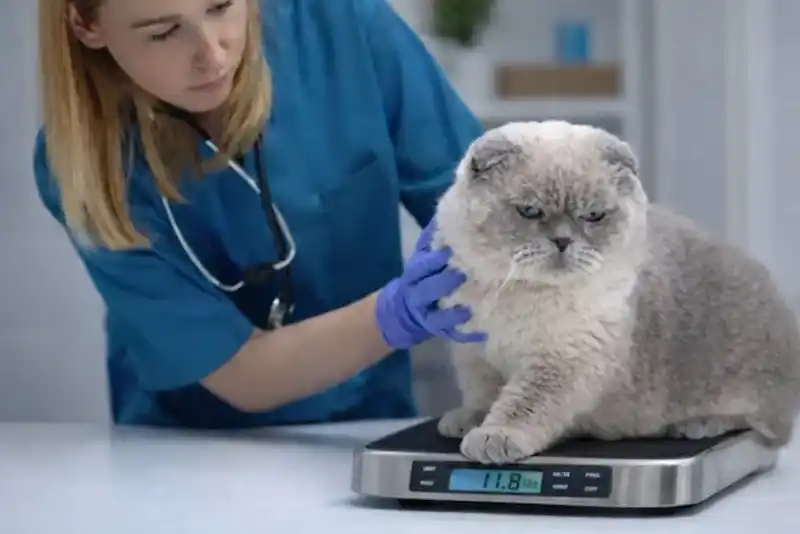
Most pet parents know to call a veterinarian when their pet is vomiting, limping, or obviously sick. What many may not realize, however, is that some of the most important veterinary care happens long before a pet shows any signs of illness. Preventive care helps veterinarians detect health issues before symptoms become severe, and can significantly improve a pet's quality and length of life. Despite the importance of preventive care, many myths still lead pet parents to skip routine vet visits or delay recommended care.
Preventive care refers to medical care that is provided to prevent disease or detect health problems early, before symptoms appear or become severe. In veterinary medicine, preventive care focuses on maintaining a pet's health and reducing the risk of illness rather than treating disease after it develops. Because pets age much faster than humans, even small health changes can progress quickly, making routine preventive care especially important.
Common components of veterinary preventive care include wellness exams, vaccinations, parasite prevention, dental care, screening diagnostics, weight and nutrition counseling, behavioral management, and spaying/neutering. Just like in people, preventive care is not one-size-fits-all; your veterinarian will tailor their recommendations based on your pet's age, breed, health, location, and lifestyle.
This is one of the most common myths I encounter as a veterinarian and can lead to significant consequences for our feline patients. While an indoor lifestyle is considered the safest choice for your cat, indoor cats still require regular preventive care, although the specific vaccine and parasite prevention recommendations may differ. Fleas and intestinal parasites can be brought into the home, mosquitoes can expose indoor cats to heartworm, and cats may also escape or have contact with other animals unexpectedly, putting them at risk for contagious viral diseases. Most importantly, an indoor-only lifestyle does not protect your cat from common medical conditions like dental disease, diabetes, or kidney disease (a condition affecting 30-40% of cats over age 10 and over 80% of cats older than 15). Yearly veterinary exams and screening tests can help detect disease early and keep your indoor cat as healthy as possible.
Puppies and kittens require a series of vaccinations, which are critical to help them build up immunity as the protective antibodies they receive from their mother gradually decline. However, most adult pets also require booster vaccines every one to three years to remain protected against common contagious and potentially fatal diseases. Some, such as the rabies vaccine, are also required by law because of public health implications. It's important to follow your vet's recommendations regarding which vaccines are appropriate for your pet, as well as the timing between them. Core vaccines are recommended for all pets, while non-core vaccines are recommended based on individual risk factors and lifestyle.
Diagnostic tests such as bloodwork can help your vet figure out what's wrong if your pet is sick, but they also have an important role in preventive care, especially for senior pets or those taking certain medications. Minor abnormalities in bloodwork can help your vet catch medical conditions early, when treatment may be easier and less costly. For example, routine bloodwork may reveal early signs of kidney disease, thyroid issues, or diabetes before noticeable symptoms develop, allowing treatment, monitoring, and lifestyle changes to begin sooner. Baseline lab values from healthy animals can also be very helpful because they give your veterinarian something to compare against later if your pet becomes ill. Many vets recommend yearly bloodwork once a pet enters their senior years, often around age 7.
According to the American Veterinary Medical Association, dental disease affects up to 80% of dogs and over 70% of cats by age three, and may result in pain, tooth loss, infection, and even affect vital organ function. Signs of periodontal disease may include bad breath, tartar buildup, red or bleeding gums, drooling, pawing at the mouth, difficulty eating or chewing, and behavior changes such as hiding, decreased grooming, or irritability. However, many pet parents do not notice any symptoms, even when advanced disease is present. This is in part because animals (especially cats) are masters at hiding signs of pain, and dental disease often lurks below the gumline, where it is only detectable with dental X-rays.
Veterinary dental cleanings are performed under anesthesia and are critical for allowing your vet to fully examine the mouth, probe for periodontal pockets, take dental X-rays, and ultimately treat dental disease above and below the gumline. At-home care, such as daily brushing and the use of products approved by the Veterinary Oral Health Council, are also excellent ways to promote your pet's oral health.
According to the American Animal Hospital Association senior care guidelines, advanced age alone is not considered a contraindication for anesthesia. While anesthesia always carries some risk, modern monitoring and pre-anesthetic screening have made it much safer, even for older animals. In many cases, procedures such as dental cleanings or tumor removals can significantly improve a senior pet's comfort and quality of life. If your veterinarian feels a procedure is higher risk, they may recommend additional diagnostics or referral to a specialty clinic.
Excess weight is not just a cosmetic issue; it is associated with numerous health problems, reduced quality of life, and shorter lifespans in both dogs and cats. Obese pets are more likely to experience conditions such as arthritis, diabetes, heart disease, and anesthetic complications, and may lose up to 2 years of their lifespan.
According to the Association for Pet Obesity Prevention, approximately 59% of dogs and 61% of cats in the United States are overweight or obese. Veterinarians usually assess this using a Body Condition Score (BCS). Monitoring changes in your pet's weight and body condition over time is an important part of preventive care. Not only can keeping track of your pet's diet and daily exercise help them maintain an ideal body weight, but unintentional weight gain or weight loss can sometimes be an early sign of underlying health conditions.
The cost of pet ownership, including veterinary costs, has increased significantly in recent years. But many pet parents are not aware that preventive care may actually save money in the long run, by preventing diseases or catching them early when they are often easier and less costly to treat. For example, routine dental cleanings and parasite prevention are far less expensive than treating advanced dental disease or heartworm.
This depends on your pet's age and health. Puppies and kittens will see the vet multiple times in their first year for vaccines, healthy adults typically require a vet visit once a year, and senior pets, who are at higher risk for pain or illness, twice a year or more. You can take an active role in your pet's preventive care by monitoring their body condition, habits, and daily routines at home. Tracking tools such as PerkyPet can help pet parents log changes over time and spot patterns worth discussing with their veterinarian, as well as remind and motivate them to create healthy routines.
Preventive care is one of the most effective ways to help our pets live longer, healthier lives. By staying up to date on routine exams, vaccinations, parasite prevention, dental care, and weight management, pet parents can help their animals avoid many common health problems before they start.