A U.S. veterinarian on pet euthanasia: what the process involves, the most common misconceptions, knowing when it is time, and where to find support after loss.

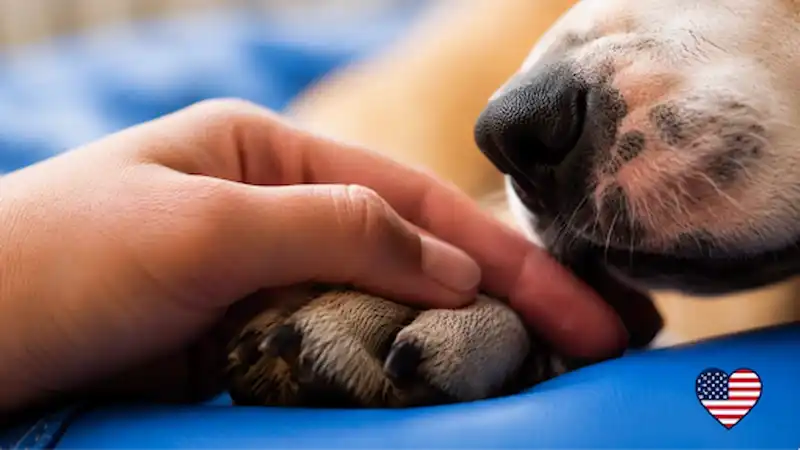
When I share that I am a veterinarian, the conversation often turns to euthanasia. Whether it’s a sympathetic “that must be such a hard part of your job” or even a blunt “I could never do that,” this is a topic that is emotionally charged. It’s normal to have questions, discomfort, or strong feelings about euthanasia, but as a veterinarian, I have a slightly different perspective. While euthanasia is never easy, I like to think of it as one final gift we can give our pets: the chance to be spared unnecessary suffering with a dignified and painless death.
The word euthanasia comes from the Greek words for “good death.” In veterinary medicine, euthanasia is the humane ending of a pet’s life, and may be recommended when a pet is suffering from a serious illness, injury, or decline in quality of life that cannot be adequately relieved or managed. Common situations include terminal cancer, advanced organ failure, severe or uncontrolled pain, traumatic injuries with a poor prognosis, severe neurologic disease, or advanced age-related decline when a pet no longer has more good days than bad. Euthanasia may also be considered in some severe behavioral cases, or if a family is not able to care for a sick pet, emotionally, physically, or financially.
Although the exact process will vary by clinic, euthanasia is intended to be peaceful and painless. In many cases, the veterinarian first gives a sedative to help the pet relax or fall asleep. Once the pet is comfortable, the veterinarian injects euthanasia solution, typically through a vein in the front or back legs. The medication, usually a barbiturate, works quickly and painlessly to cause unconsciousness and then stops brain function, circulation, and breathing within minutes.
Euthanasia is not easy, and it is one of the most emotionally taxing parts of veterinary medicine, but I have never found it to be the hardest part of the job. Relieving suffering, allowing pets to leave the world with peace and dignity, and helping pet parents feel comfortable and confident in their decision to say goodbye often feels like an act of kindness.
While veterinarians are trained to care for animals, supporting and communicating with the people who love them is an equally important part of the job. Some of the hardest moments in veterinary medicine happen when a pet has a condition that may be treatable, but the cost of diagnostics, hospitalization, surgery, or ongoing care is beyond what a family can provide. These situations are truly heartbreaking for everyone involved. Pet parents may feel guilt, shame, anger, or helplessness, while veterinarians are left trying to offer the best possible options within real-world limitations, while carrying the emotional weight of not being able to do more.
Choosing the appropriate time to euthanize is not always obvious, perhaps because it is such a personal decision that does not always have a right answer. While eating and drinking are often used as a reference point, the truth is that sometimes even pets who are suffering will continue doing this until the very end. It’s part of the picture, not the whole picture, and is one reason why considering all aspects of quality of life is so important. Quality of life assessments and conversations with your veterinarian can help, but the decision is ultimately yours as a pet parent. While it may be difficult to say goodbye to a pet who still has some good days, a general guideline is “better a week too early than a day too late.” Choosing euthanasia does not mean you're giving up, but recognizing that continued treatment is no longer helping, or that it may be causing more harm than benefit. In these cases, euthanasia can be a way to stop asking a pet to endure more than their body can handle.
As a veterinarian and pet parent, I have been present for many euthanasias, and have always strived to make the process as gentle and peaceful as possible for both the pet and their family. Every vet does this differently, but it may involve having a pet owner give oral meds at home to reduce anxiety, sedating a pet before euthanasia or catheter placement, offering a buffet of favorite or forbidden treats beforehand, explaining the process step-by-step so pet parents know exactly what to expect, creating a comfort room in the clinic or performing the euthanasia at home, asking pet parents to bring a favorite bed, blanket, toy, or music, and being able to adapt depending on a pet’s temperament, size, and medical condition.
However, as with any medical procedure, things may not always go as planned. If euthanasia does not go smoothly, it is best to discuss any worries and concerns with your vet afterward. Sometimes a pet may cry out or vocalize because the sedation stings or makes them feel funny, or a pet owner may be upset or surprised by normal bodily reactions after death, such as agonal breathing, muscle twitching, or release of the bowels and bladder. Your vet can reassure you that this does not mean your pet was experiencing pain. Chances are, they will also feel badly about the experience and do their best to learn from it going forward.
Many pet owners hope their pet will pass naturally at home, peacefully in their sleep. The idea of a natural death can feel less intrusive, less guilt-inducing, and more comforting than making an active decision about euthanasia. However, natural death is not always gentle or comfortable. Depending on the disease, it may involve pain, difficulty breathing, or prolonged distress. Hospice and palliative care can help some pets remain comfortable near the end of life, but when suffering can no longer be controlled, euthanasia may offer a more peaceful and compassionate goodbye.
This is an entirely personal decision, and you should never feel pressured or shamed about doing what feels best for you. Pet parents are welcome but never required to be present for euthanasia. What I often recommend in these situations is that a pet parent stay until their pet is sedated. From this point on, they will not be aware of what is going on, including whether or not you are present. However, if that does not feel right either, the veterinary team will always step in, offering comfort and kind words throughout the procedure.
Research shows that the grieving process after losing a pet is similar to that of losing a human loved one. For families making euthanasia decisions, grief may be further complicated by guilt, uncertainty, and the responsibility of choosing when to say goodbye. Additionally, grief after pet loss is not always validated or considered socially acceptable. But whether you simply need time to heal, are looking for ideas to remember or memorialize a pet, or need immediate support, help is available.
Many veterinary schools offer pet loss hotlines, and national organizations such as Lap of Love and the Association for Pet Loss and Bereavement offer virtual support groups and resources. Local options may be available through animal shelters, humane societies, pet hospice providers, or grief counselors. If you are in crisis, having thoughts of self-harm, or need immediate emotional support, call or text 988 in the U.S. or Canada for the Suicide & Crisis Lifeline.
Veterinary medicine has given me a deep appreciation for what a peaceful death can mean. With our clients, we talk openly about quality of life, comfort, and whether treatment is helping or simply prolonging suffering. Euthanasia does not make saying goodbye easy, and it does not erase the grief that comes afterward, but it is often the most compassionate choice a pet parent can make. It can be a final gift to a beloved companion, and I am honored to be a part of that last goodbye.