A veterinarian's guide to safe summer road trips with your dog, covering car safety, heat protection, packing tips, and recognizing signs of heat stroke.

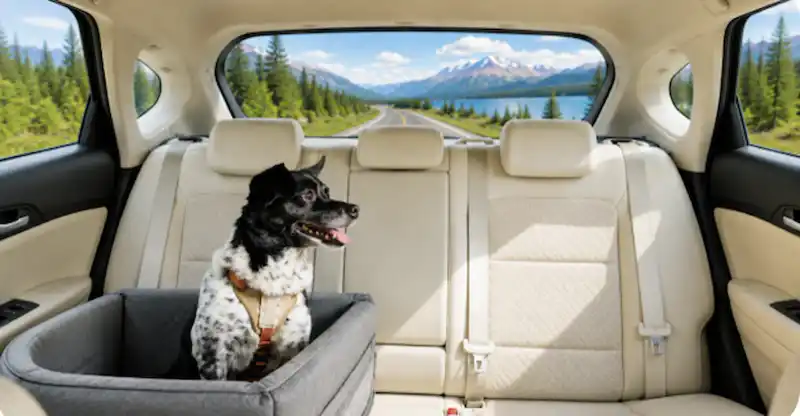
As a veterinarian, I love seeing dogs included in family adventures, and as the weather heats up, many families are hitting the road. Whether you're planning a short day trip or a longer vacation, there are several important safety considerations to keep in mind before bringing your dog along for the ride. Summer travel comes with unique risks, from heat stroke and hot pavement to sunburn, but a little preparation can go a long way toward keeping your dog safe and comfortable. Here are some of the most important safety tips I recommend before traveling by car with your dog this summer.
While some dogs love riding in the car, others find it stressful or may even suffer from motion sickness or anxiety. You can help desensitize anxious dogs to the car by breaking down the car ride into small, manageable steps, and pairing each one with a high-value treat. Your vet can also discuss or prescribe medications and supplements to help with nausea or anxiety. However, if your dog is truly uncomfortable in the car, leaving them behind with a trusted caretaker may be easier and less stressful for everyone.
Taking time to pack a few essentials can help prevent problems on the road. Bring any medications, comfort items, toys, food and water bowls, poop bags and cleaning supplies, a leash, and your dog's usual diet, as an abrupt change in diet can cause gastrointestinal upset. It's also important to ensure that you have access to your pet's vaccine and medical records. Keeping these records stored in an app like PerkyPet can make them readily available if you need to visit a veterinarian away from home. Lastly, a health certificate may be required if you are crossing state lines.
If you're planning a longer trip with stops along the way, be sure to research pet-friendly accommodations, and take a close look at their pet policy. Many hotels and airbnbs allow pets, but may have restrictions around number, size, breed, and health status, as well as charge additional fees. You should also research and identify emergency veterinarians along your route and at your destination, in case they are needed. Lastly, make sure your pet's identification, including ID tag and microchip registration are correct and up-to-date.
While driving, it is critical to secure your dog in the back seat in a crate, carrier, or crash-tested, CPS-certified safety harness. Unrestrained dogs pose several significant risks to themselves and others, such as getting under the driver's feet, distracting the driver, interfering with safety equipment such as airbags, or being thrown from the car in the event of a collision.
Depending on the length of your drive, stopping for water, potty, and movement is recommended every few hours. In hot weather, making sure your dog has access to plenty of fresh water may mean more frequent potty stops.
Temperatures inside a car can quickly rise to dangerous levels. According to the American Veterinary Medical Association, research shows temperatures can increase by about 20°F in 10 minutes, and reach over 40°F higher than outside temperatures within an hour. This means that on a 70°F day, the interior can quickly surpass a deadly 110°F. Rolling the windows down is not a safe option either, nor is leaving the AC on, which can fail if the car turns off or the temperature changes significantly. The only safe option is to leave your pet at home, take them out of the car with you, or leave someone in the car with them to monitor the temperature.
There is no cut-off temperature that is considered unsafe for all dogs. Instead, this can depend on their breed, age, and health, as well as your location, temperature, and humidity. Brachycephalic (flat-faced), young, ill, or senior pets are more susceptible to heat and should avoid strenuous outdoor activities during the hottest part of the day (typically 10-4). If you do head out, be sure to provide your dog with a shaded area to rest, plenty of fresh water, and watch for early signs of heat stress so that you can take action before the condition progresses. Remember that the surface you are walking on matters as well. Pavement may be 40-60°F hotter than the air temperature and should be checked with the back of your hand before allowing your dog to walk on it.
One mistake that many people don't realize is skipping the sunscreen. Just like people, dogs can get sunburned, and it can result in painful red skin as well as conditions such as solar dermatitis or skin cancer with chronic exposure. Sunburn is most common in dogs with light skin and fur, short coats, or on hairless areas of the body. In addition to avoiding direct sun exposure during the hottest parts of the day, it's important to consider a pet-safe sunscreen for susceptible dogs.
Heat stroke is a life-threatening emergency that occurs when body temperature rises too high (often over 105 F), and can result in organ damage and death if not treated promptly. Heat exhaustion is a milder condition on the spectrum of heat-related illnesses. Early signs include excessive panting, drooling, lethargy, abnormal gum color ranging from pale to bright red, weakness or stumbling, vomiting, diarrhea, twitching, seizures, and collapse. If you suspect heat stroke, immediately move your pet out of the heat, offer fresh water, contact your vet or nearest emergency clinic, and begin cooling measures by wetting your dog with cool (not ice-cold) water while en route to the vet.
Summer road trips can be a fun and rewarding way to make memories with your dog, but they require a little extra planning to ensure your pet stays safe and comfortable along the way. By preparing in advance, avoiding common hazards such as hot cars and overheating, and recognizing the early signs of heat-related illness, you can help prevent many summer travel emergencies. If you have any questions about whether your dog is healthy enough to travel or how to make the trip more comfortable, your veterinarian is an excellent resource before you hit the road.