Is your cat slowing down or sleeping more? Learn the subtle signs of feline arthritis, how vets diagnose and treat it, and ways pet parents can help at home.

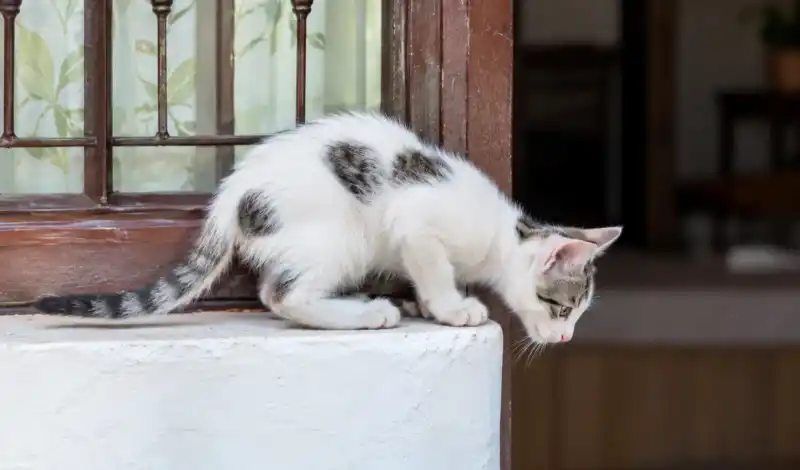
If your once-energetic cat is sleeping more and moving slower than they used to, you might assume they're simply getting older. However, these changes could actually be signs of a painful condition such as arthritis. Cats do not always express pain in the ways that we might expect, so changes can be subtle and easy to miss, or simply dismiss as normal aging. Here’s what pet parents can watch for, when to call the vet for treatment, and how to make your home more comfortable for an arthritic cat.
Osteoarthritis (OA), also known as arthritis or degenerative joint disease, is a chronic, progressive condition that causes the cartilage cushioning the joints to break down over time. As disease progresses, changes also occur to the underlying bones and surrounding tissues, leading to pain, stiffness, and decreased mobility. Osteoarthritis is especially common in older cats and can significantly affect their comfort, daily activities, and overall quality of life. Osteoarthritis can affect any joint in a cat's body, but it most commonly occurs in the shoulders, elbows, hips, ankles, and spine.
Osteoarthritis is one of the most common conditions affecting cats, particularly as they age. Several peer-reviewed studies have examined the prevalence of feline arthritis, finding that approximately 60% of cats aged 6 years and older and 90% of cats over age 12 have X-ray evidence of arthritis. However, not all cats with arthritic changes on X-rays show obvious signs of pain or discomfort.
Unlike dogs, who may develop a noticeable limp, feline symptoms are much more subtle. Because these changes often develop gradually, pet parents may mistake them for normal signs of aging rather than recognizing them as signs of chronic pain.
Like people, cats often develop arthritis due to age-related degeneration (primary arthritis). Secondary arthritis may occur due to previous injury or trauma, developmental joint abnormalities (especially in certain breeds such as the Maine Coon and Scottish Fold), and a rare medical condition known as acromegaly. Obesity is also a significant risk factor for development of arthritis, due to the added pressure and stress on bones and joints.
As both a predator and prey species, cats are evolutionarily programmed to hide early signs of pain and illness. These animated videos comparing cats with and without arthritis may help highlight some of the small differences in movement and behavior. If you are concerned that your cat may have signs of arthritis, schedule a veterinary examination and consider bringing a few videos of your cat jumping, climbing stairs, or walking at home to show your vet. Watching these videos in slow motion can be especially helpful to pick up on subtle changes.
Veterinarians typically diagnose feline arthritis based on observations from the pet parent and a physical and orthopedic exam. X-rays can help identify bone and joint changes and exclude other conditions. Many cats are reluctant to walk in the vet clinic, so videos from home can be particularly helpful. As arthritis commonly affects senior cats, your vet may also recommend bloodwork to help evaluate overall health, check for other common medical conditions, and get a baseline prior to beginning medication.
Arthritis is best managed with a multimodal approach, including medications, diet, lifestyle changes, and environmental modifications. In some cases where pain is unable to be controlled, surgery may be considered.
Solensia® is a monoclonal antibody therapy that is the first and only FDA-approved treatment for feline arthritis pain. This monthly injection targets nerve growth factor (NGF), a protein involved in pain signaling, and has helped improve comfort, mobility, and quality of life for many cats. Potential side effects include vomiting, diarrhea, decreased appetite, and skin reactions, while more serious adverse events, including neurologic signs, have also been reported. Pet parents should always discuss the potential risks and benefits with their veterinarian before starting treatment.
Other medications may also help manage arthritis-associated pain, including:
Never give your cat human pain medications unless specifically instructed by your veterinarian. Many common over-the-counter pain relievers, including Tylenol and ibuprofen, are extremely toxic to cats and can cause life-threatening complications, even in small doses.
Keeping your cat at an ideal body condition can help to both prevent and manage arthritis by limiting stress and pressure on their bones and joints. Cats who have a significant amount of weight to lose should do so on a prescription diet and under veterinary supervision, but for mild weight loss, transitioning from free feeding to meal feeding, gradually cutting back on calories (including treats), and using interactive feeding toys to help increase activity may be beneficial.
Omega-3 fatty acids, specifically EPA and DHA found in fish oil, have anti-inflammatory properties that may help reduce joint pain and improve mobility. These can be provided through high-quality supplements or prescription joint diets, which also contain additional ingredients designed to support joint health. Other commonly marketed joint supplements, such as glucosamine and chondroitin, have not demonstrated consistent benefits for cats with arthritis. Always consult your veterinarian before starting a supplement or changing your cat's diet.
Regular, gentle exercise is important for cats with arthritis to help maintain muscle strength, joint flexibility, mobility, and a healthy body weight. This can be accomplished by encouraging short but frequent interactive play sessions. Allow your cat to move at their own pace, avoiding excessive jumping or activities that seem to cause discomfort. Enrichment and mental stimulation are also important to help senior cats keep their mind sharp and engaged.
Some cats with arthritis may benefit from complementary therapies, such as acupuncture, laser therapy, gentle massage, and pulsed electromagnetic field therapy. Research regarding their efficacy is limited, so these therapies should never replace proven pain management, and should always be performed by a veterinarian or qualified provider.
Making a few simple changes to your home can significantly help an arthritic cat continue to comfortably enjoy their normal activities.
Arthritis is a chronic and progressive condition with no cure; however, many cats can continue to enjoy an excellent quality of life with appropriate pain management, supportive care, and home modifications. Early recognition and treatment can help minimize discomfort, maintain mobility, and prevent muscle loss associated with reduced activity. Because arthritis progresses over time, your cat's treatment plan may need to be adjusted as their needs change. Regular veterinary checkups and monitoring for subtle changes in behavior, mobility, and daily routines are essential for keeping your cat comfortable and active throughout their senior years.